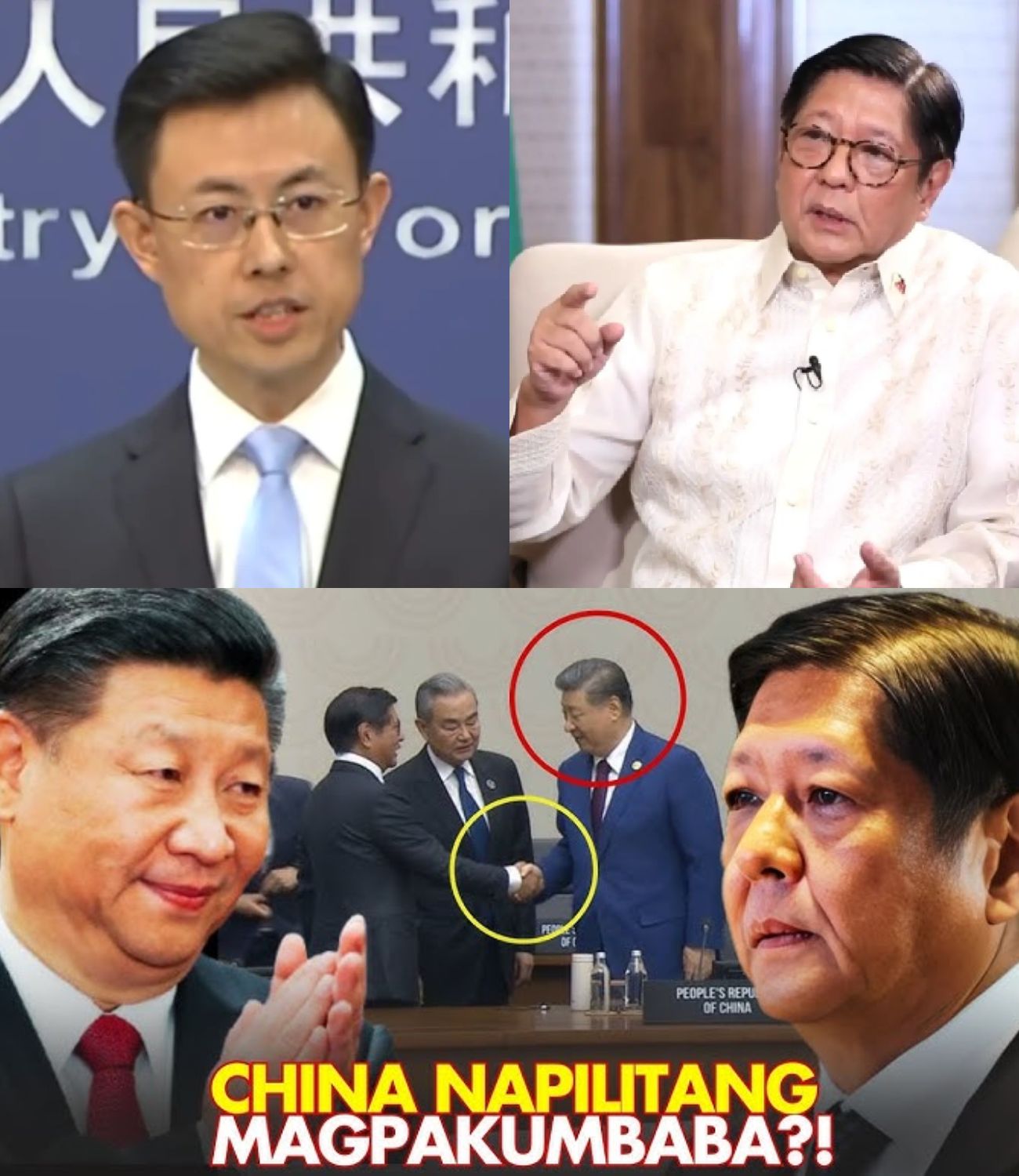
DAHIL SA GINAWA NI PBBM, China at Japan, Napilitang MAGPAKUMBABA?! Isang Matinding Hakbang na Naging Sanhi ng Pagbago ng Laban sa Diplomasyang Pandaigdig—Anong Nangyari sa Likod ng Mga Negosasyong Ito? 😱 May mga Lihim Bang Pinag-usapan sa Mata ng Mundo?
DUE TO PBBM’S MOVE, CHINA AND JAPAN FORCED TO BACK DOWN?!
A Diplomatic Showdown That Changed Everything

In a stunning turn of events that has left the global community in shock, Philippine President Ferdinand “Bongbong” Marcos Jr. (PBBM) has managed to outmaneuver two of Asia’s most powerful nations, China and Japan, forcing them into a rare diplomatic retreat. What seemed like a routine international exchange has now escalated into one of the most significant geopolitical moments in recent history.
The bold move by President Marcos not only caught both China and Japan by surprise, but it also shifted the balance of power in the region. This unexpected twist has left experts questioning: How did PBBM manage to achieve what no one thought was possible? And what does this mean for the future of Philippine diplomacy?
The Spark that Ignited the Fire
The catalyst for this diplomatic upheaval came during a high-stakes negotiation in Beijing, where PBBM, accompanied by a team of seasoned diplomats, was in the midst of finalizing trade agreements with both China and Japan. The stakes were high — both nations had long been key economic partners of the Philippines, and securing favorable terms could elevate the country’s global standing.
However, behind the scenes, China had been quietly increasing its territorial claims in the South China Sea, while Japan had been aggressive in pushing for stronger security measures in the region, which some saw as an attempt to undermine Philippine sovereignty.
What no one expected, though, was how President Marcos would handle the situation. Rather than being intimidated by the combined pressures of two regional superpowers, PBBM made a bold statement that would echo throughout the corridors of power: He would prioritize Philippine sovereignty above all else.
In a strategic move that sent shockwaves through both Beijing and Tokyo, Marcos reportedly threatened to halt trade negotiations unless both China and Japan acknowledged Philippine claims in the South China Sea and agreed to respect the country’s territorial integrity.
The Unexpected Retreat of China and Japan
The response from China and Japan was swift and calculated. Within days, official statements from both governments suggested a dramatic shift in their previous stance. China expressed a willingness to engage in “peaceful dialogue” regarding maritime disputes, while Japan softened its position on security measures in the region, signaling a tacit agreement to respect Philippine sovereignty.
The most shocking development, however, came when China announced it would scale back its military activities in contested areas of the South China Sea, marking an unprecedented diplomatic concession. Japan, which had previously voiced support for a stronger military presence in the region, issued a public reaffirmation of its commitment to a peaceful, multilateral resolution to territorial disputes.
Why Did This Happen?

To many, this rapid turnaround by two of Asia’s biggest players is nothing short of remarkable. So, what led to this sudden shift in tone from China and Japan? Experts suggest several factors, but one stands out above the rest: PBBM’s skillful diplomacy and his ability to balance his country’s interests against the pressure from larger powers.
China, despite its economic might, has been deeply sensitive to international criticism over its territorial ambitions in the South China Sea. With the Philippines taking a firm stance, PBBM’s direct challenge forced China to confront the very real possibility of losing its key trade partner in the region.
Japan, on the other hand, has long had a delicate balancing act to maintain: aligning with the United States and other Western allies while fostering strong economic ties with ASEAN nations, particularly the Philippines. Japan’s shift came after PBBM reminded Tokyo of its historical ties with the Philippines, invoking shared values of democracy and sovereignty that have long defined their relationship.
Both nations, it seems, were caught in a diplomatic vice, forced to make concessions they had long been unwilling to entertain.
The Repercussions for Philippine Foreign Policy
What does this mean for the Philippines and its future on the global stage? According to diplomatic insiders, this could be the beginning of a new era for the country’s foreign policy. PBBM’s boldness has positioned the Philippines as a country willing to stand up for its sovereignty, even when facing economic and military giants.
“We’ve seen a different side of President Marcos,” said Senator Maria Reyes, a leading figure in Philippine foreign affairs. “He’s no longer just the son of a former president. He’s now a leader who understands the complexities of diplomacy and isn’t afraid to make hard decisions.”
This new approach to diplomacy may also signal a shift in the Philippines’ alliances. China and Japan, once seen as the Philippines’ indispensable partners, may now have to adapt to a more independent and assertive Philippines that won’t be swayed by outside pressures.
What’s Next for the Philippines?
While the immediate fallout from this diplomatic victory has been a retreat from both China and Japan, the longer-term effects on Philippine foreign policy are still uncertain. Will PBBM’s bold stance lead to stronger ties with other ASEAN nations, or will it alienate potential trade partners in the region?
What is clear, however, is that PBBM’s leadership has captured the world’s attention. His actions have shown that the Philippines is no longer just a passive actor in the geopolitical landscape, but a nation ready to assert its interests and protect its sovereignty.
In the coming months, the Philippines will likely continue to play a delicate game of balancing its relations with both global superpowers and its ASEAN neighbors. But one thing is certain: PBBM has proven that diplomacy is not just about compromise — it’s about strength and strategic thinking.
Conclusion: A Game-Changer in Southeast Asia
In the grand chessboard of international politics, PBBM’s calculated move has reshaped the game in Southeast Asia. By forcing both China and Japan to back down on their territorial ambitions and security measures, the Philippines has shown the world that it is no longer content to be a bystander in the region’s power dynamics.
As the world watches closely, the question remains: How will other nations respond to this newfound assertiveness from the Philippines? One thing is for sure — the stage has been set for a new era in Southeast Asian diplomacy, and the Philippines is poised to lead the way.
This unprecedented shift has undoubtedly marked a watershed moment for the Philippines — and its bold leader, President Bongbong Marcos, may just be the key to rewriting the rules of diplomacy in the region.