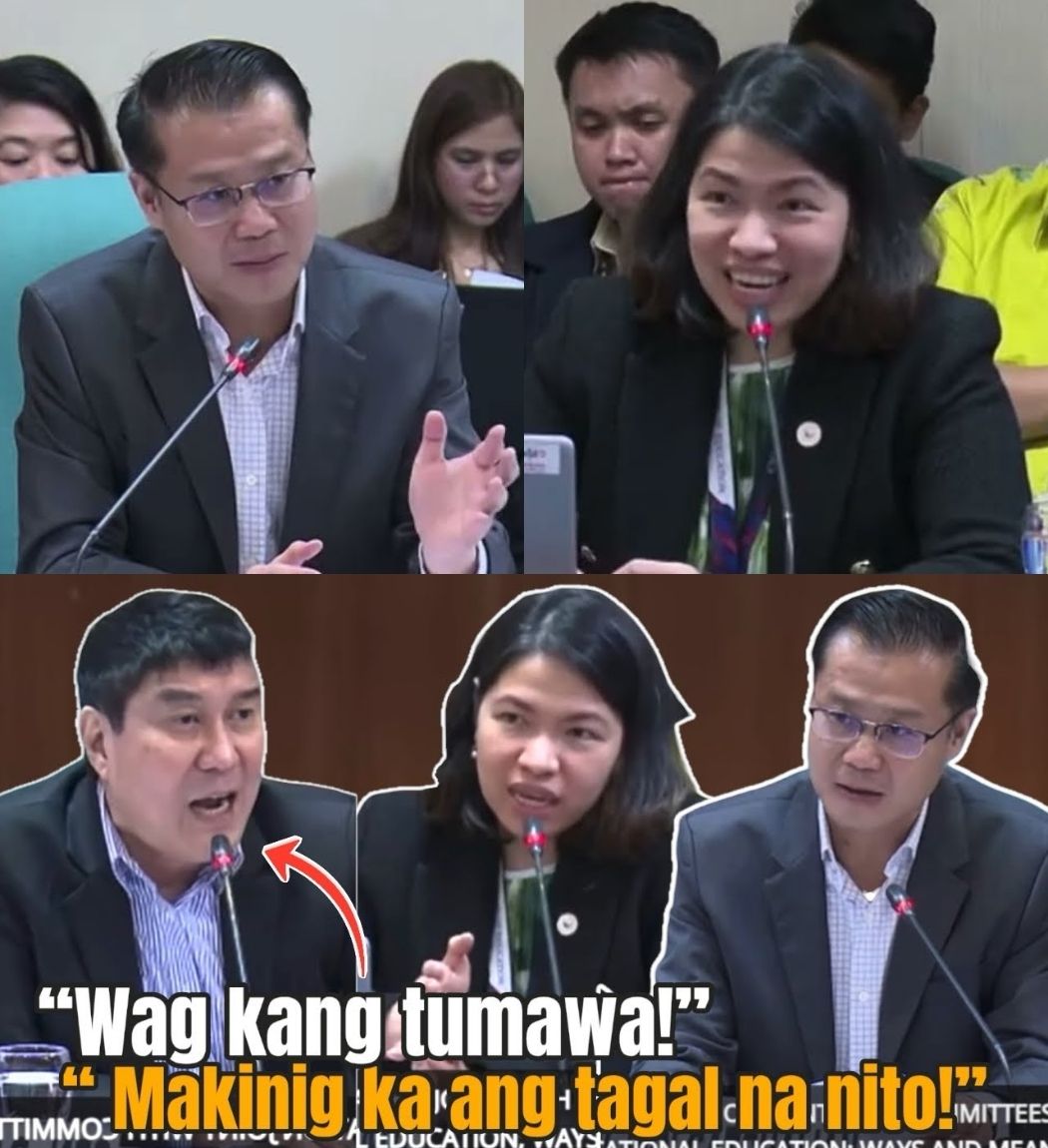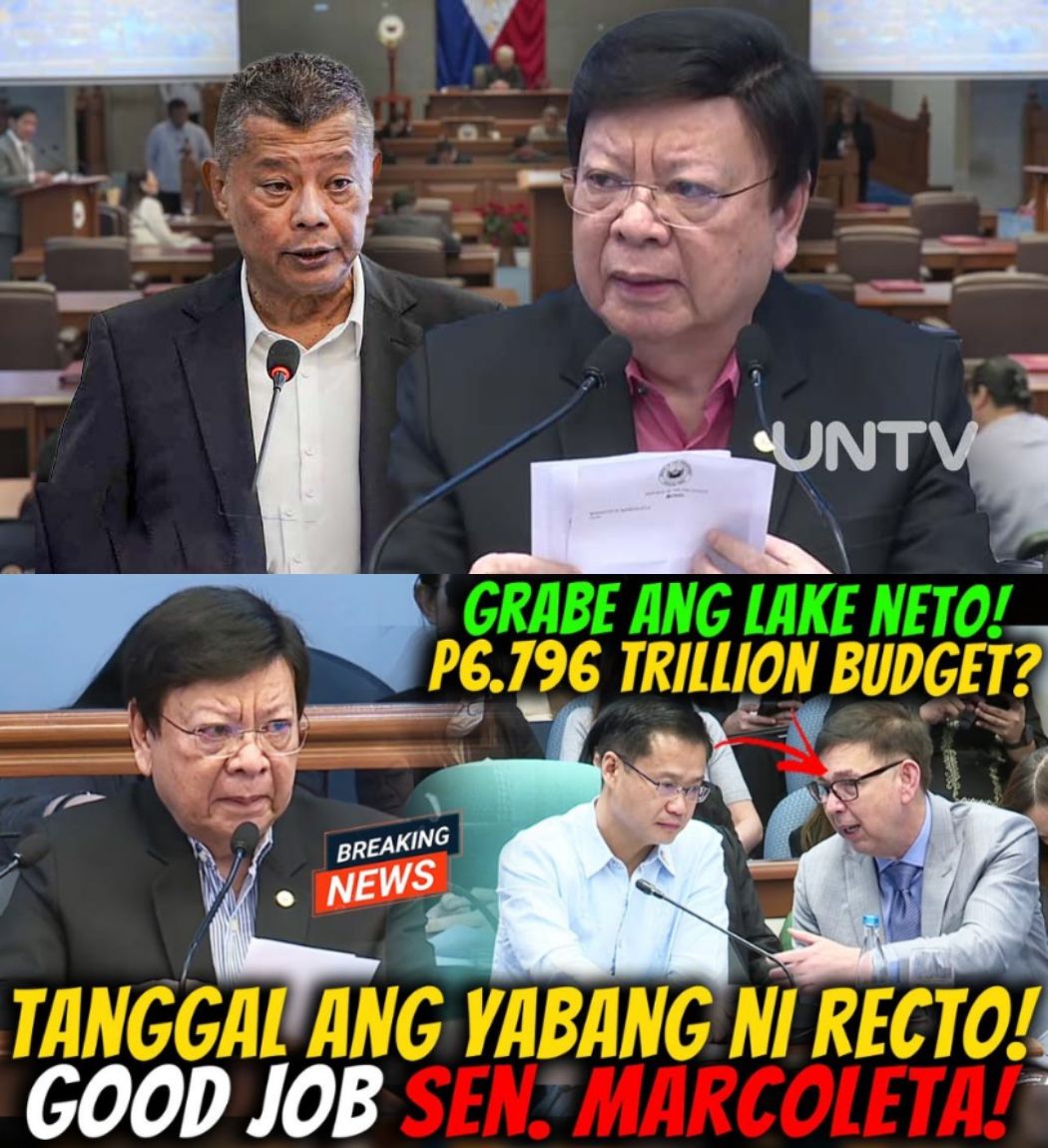
GULO SA SENADO! Sen. Marcoleta, Biglang Pinag-Initan si Sen. Recto – Isang Tanong na Diretsahang Tumama sa ‘Pinaka-Ayaw Sagutin’ ng Senador, Nagpatahimik sa Kanya at Muntik Pang Mawala ang Sagot! Mysterious na Dokumento na Inilabas ni Marcoleta, Nagdulot ng Matinding Gulat sa Staff ni Recto, At Ayon sa Isang Saksi, ‘Doon Nagbago ang Kulay ng Mukha Niya!’ Ano ang Lihim na Nakatagong Dokumento at Bakit Bawal Ipakita?
BREAKING NEWS: Senator Marcoleta Exposes Ghost Projects and Corruption in Flood Control—Billions in Funds Unaccounted for!
In an explosive revelation that has sent shockwaves through the Philippine Senate, Senator Rodante D. “Rodan” Marcoleta has uncovered a massive corruption scandal tied to the country’s flood control projects. As chairman of the Senate Blue Ribbon Committee, Marcoleta is leading an extensive investigation into what’s being dubbed the “Philippines: Under Water” scandal—an inquiry into the questionable use of P545.6 billion allocated for flood control from 2022 to 2025. But what’s even more shocking is the alleged existence of 60 ghost projects, with billions in funds vanishing without a trace. This revelation has ignited a firestorm of speculation, accusations, and calls for accountability.

A Shocking Allegation: Ghost Projects and Fake Flood Control Efforts
During a pivotal hearing, Marcoleta dropped a bombshell: 15 contractors reportedly walked away with approximately P100 billion from the fund. But here’s the kicker—these funds were allegedly meant for 9,855 flood control projects, many of which never saw the light of day. Marcoleta pointed out that at least 60 projects were “ghost” projects—either unfinished, substandard, or, in some cases, entirely fabricated. These projects, according to Marcoleta, were nothing but fraudulent reports and fake construction efforts.
In his scathing commentary, Marcoleta didn’t stop at the projects themselves. He dug into the quality of materials being used. He highlighted an ongoing project in Calumpit, Bulacan, where the embankment supposedly used only 80% soil, 15% cement, and a mere 5% steel—an incredibly substandard mix that Marcoleta condemned as a glaring example of corruption at its finest.
The Dirty Politics Behind the Funding and Kickbacks
Marcoleta didn’t hold back when it came to discussing the budget insertions that have long plagued the political landscape. According to him, these budget insertions—far from being isolated incidents—begin at the district level, where he claims a “collusion” occurs between local politicians and bureaucrats. Marcoleta even suggested that the kickback culture extends far beyond contractors, implicating politicians and officials who have control over the funds.
And it doesn’t end there. Marcoleta revealed that some potential witnesses—including contractors involved—have approached him privately, hinting at a treasure trove of information about these ghost projects. But, as Marcoleta noted, there’s a critical issue: many of these witnesses are currently abroad. He is already considering the possibility of issuing a lookout order for suspects involved, even though he doesn’t yet have the authority to issue a hold departure order.
The Debate and the Push for Accountability
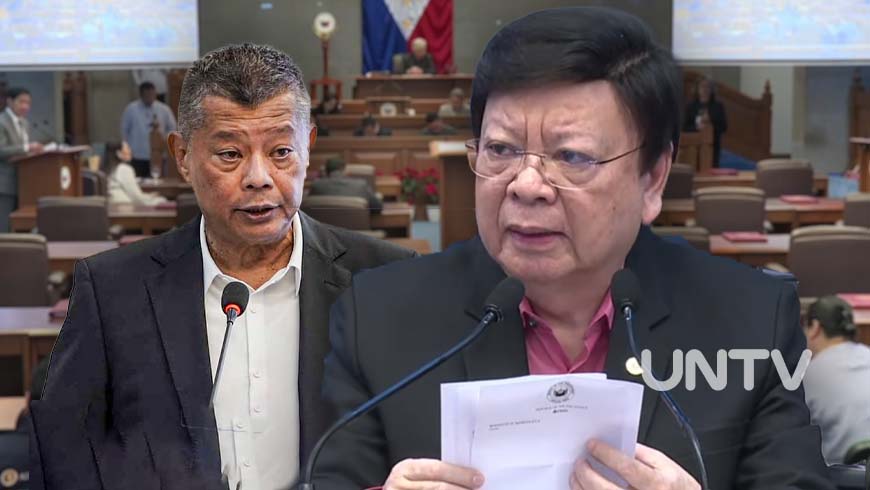
While Marcoleta has been relentless in his pursuit of justice, not all of his colleagues in the Senate are on the same page. Senator Panfilo “Ping” Lacson, a long-time political figure, has raised concerns about the timing of the investigations. Lacson has pointed out that the 2026 budget hearing overlaps with the ongoing investigations into flood control projects, raising questions about the intentions behind the inquiry. Lacson has flatly denied Marcoleta’s accusation that he was deliberately delaying the investigation.
Meanwhile, Senator Imee Marcos has also weighed in, questioning the nearly trillion-peso debt linked to these ghost projects, especially the Unified Project Management Office (UPMO) projects that are allegedly not properly documented. Marcos, like Marcoleta, has called for transparency in the management of flood control projects, urging better coordination with local government units to avoid fund misallocation.
The Impact of Substandard Construction and Fraudulent Projects
Marcoleta’s expose has drawn attention not just to the funds, but to the real-world impact of these ghost projects. At the heart of the issue is the suffering of ordinary Filipinos living in flood-prone areas. The purpose of these flood control projects was to protect the people in the most vulnerable regions of the Philippines. But instead of providing the much-needed infrastructure, millions of pesos are being funneled into fake projects that serve only to line the pockets of corrupt officials.
Marcoleta stressed that the most vulnerable people are the ones who suffer the most when funds meant for their safety are siphoned off in this manner. This isn’t just a financial crime; it’s a moral failure, and for Marcoleta, it’s time to hold those responsible to account.
The Stakes Are High: Will the Senate Act?
As the investigation continues, Marcoleta has called on the public to remain vigilant and to assist in the probe by providing information, photographs, and documents that could shed light on the truth behind the allegations. He has assured the public that credible information will be thoroughly verified, especially as there are concerns about false information or AI-generated content circulating around the issue.
But there’s a political risk involved. If the accusations cannot be fully verified, or if the witnesses turn out to be unreliable, this could backfire, becoming an opportunity for political grandstanding. Critics have warned that this investigation could become just another political circus. However, Marcoleta has made it clear that the focus must remain on actual corruption and substandard projects rather than distractions.
The Road Ahead: Accountability and Transparency

For now, the nation is watching closely. The Senate hearings have become a battleground not just for political power, but for accountability and transparency in the use of public funds. Marcoleta’s investigation has struck a nerve, but the question remains: Can the truth be uncovered?
Will the people responsible be held accountable for the millions of pesos wasted on ghost projects that have failed to protect the Filipino people? Will this scandal lead to the reform that the country desperately needs, or will it become another unresolved case that eventually fades away?
As the hearings progress, the country is looking for substantive answers. The outcome of this investigation will set the tone for the future of governance in the Philippines. It’s a moment of reckoning, and whether the truth prevails will determine the future of the country’s battle against corruption.