Political Waves Hit the Capital: President Marcos Steals the Spotlight at Isko Moreno’s Legacy Project as Vice President Sara Mysteriously Disappears – What’s Behind the Shifting Power Dynamics and Where Is Sara?
Political Waves Hit the Capital: Marcos Takes the Spotlight at Isko Moreno’s Legacy Project While VP Sara Disappears—What Does This Mean for the Duterte Dynasty?
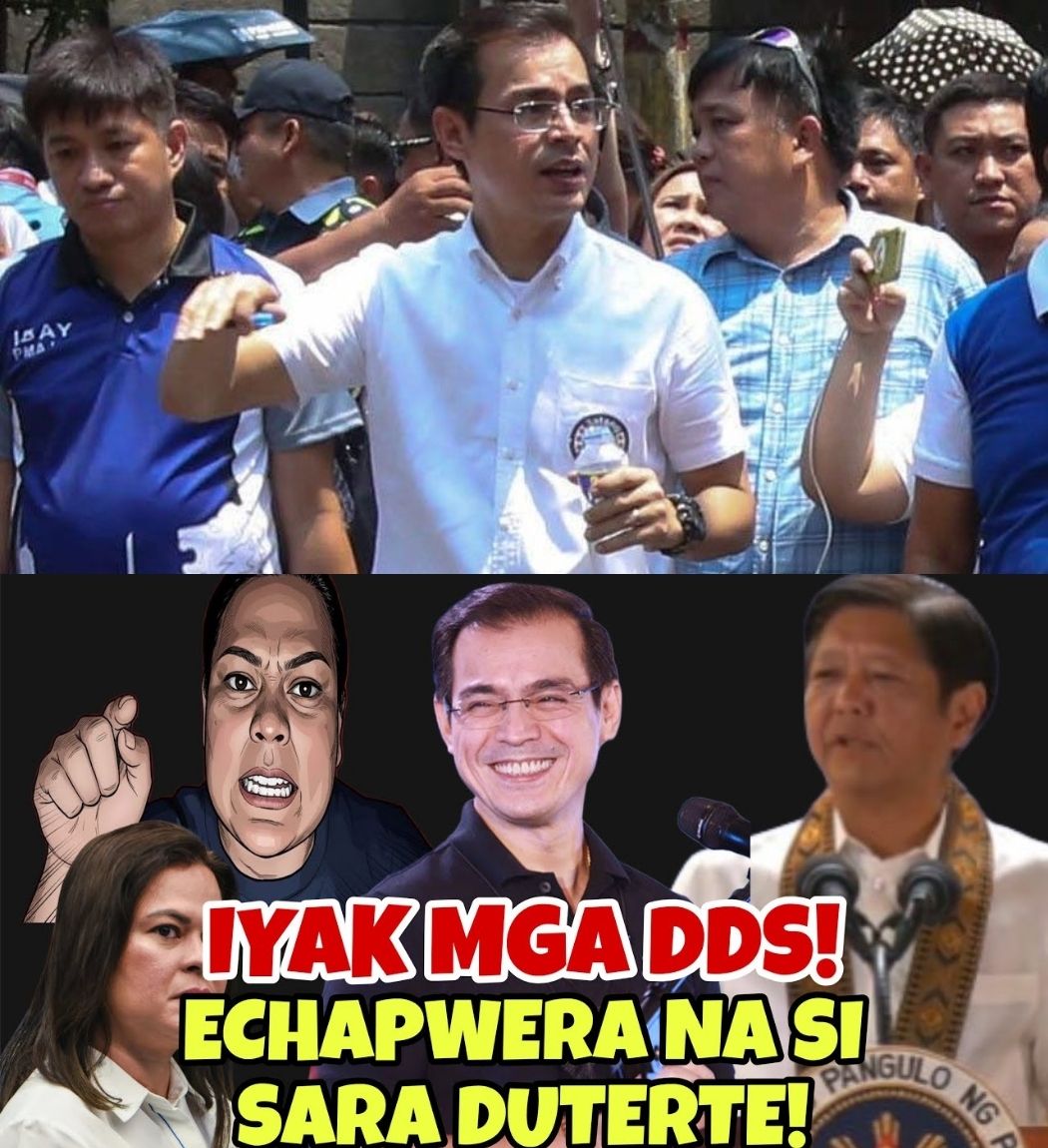
The political landscape of the Philippines is once again at a turning point. In a series of events that has captured national attention, President Ferdinand “Bongbong” Marcos Jr. recently took center stage at the unveiling of a major urban development initiative—a project widely associated with former Manila Mayor Isko Moreno. While the project drew admiration for its ambitious vision, a parallel story unfolded in the corridors of power: Vice President Sara Duterte’s public absence during this key political moment has sparked curiosity, debate, and speculation. Observers are asking critical questions: Does Marcos’s increased visibility signal a shift in the capital’s political dynamics? Is the Duterte political legacy in Manila waning, and what could this mean for the broader political balance in the Philippines?
The Stage: Isko Moreno’s Urban Development Vision
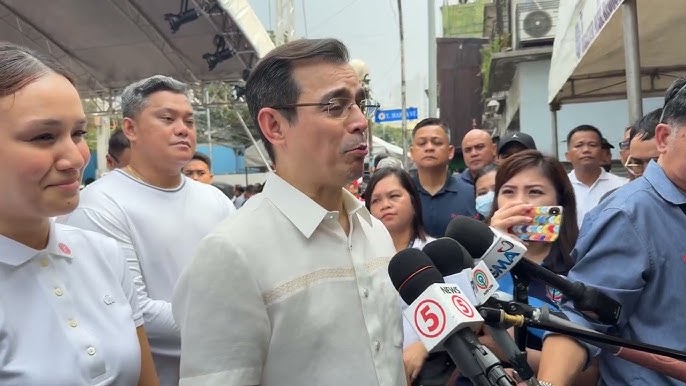
Isko Moreno, who served as Manila’s mayor from 2019 to 2022, left a mark on the city through several transformative initiatives aimed at modernizing infrastructure, boosting economic activity, and improving public services. His tenure was widely praised for bold decision-making and urban revitalization efforts, particularly in areas such as heritage preservation, road network improvements, and social welfare programs. The latest project, which has been heralded as a continuation of Moreno’s legacy, seeks to combine urban development with environmental sustainability—factors that resonate strongly with the urban electorate.
President Marcos’s presence at the project’s inauguration was both symbolic and strategic. By personally attending the event, he positioned himself as a leader who supports urban innovation, economic development, and continuity in government projects. Political analysts noted that this move also allows Marcos to showcase his administration’s active role in shaping the future of the nation’s capital, emphasizing both leadership visibility and executive oversight.

VP Sara Duterte’s Absence: A Curious Silence
While Marcos was actively engaging with stakeholders, dignitaries, and the media, Vice President Sara Duterte’s absence did not go unnoticed. Traditionally, members of the executive branch attend major national events together, presenting a unified front. Duterte’s public disappearance during such a significant moment has raised eyebrows and fueled speculation across social media platforms, political forums, and mainstream media outlets.
Some observers argue that her absence could be purely logistical, perhaps due to prior commitments or scheduling conflicts. However, in the charged atmosphere of Philippine politics, silence often carries meaning. The juxtaposition of Marcos’s high-profile appearance and Duterte’s absence has led to theories about potential shifts in political alliances, strategic maneuvering ahead of upcoming elections, or recalibration of influence in Manila—the heart of national politics.
Political Implications: Manila as the Battleground
Manila has long been a critical political stage in the Philippines, historically serving as a microcosm of broader national trends. The city’s electorate is diverse, with a mix of working-class citizens, business elites, professionals, and public servants, making it a politically influential arena. The presence of high-profile figures, their public interactions, and even absences are closely scrutinized as indicators of future electoral strategies.
President Marcos’s engagement with Moreno’s legacy project can be interpreted as a tactical move to assert influence in Manila, indirectly affecting the political capital of the Duterte family. Sara Duterte, who has previously enjoyed strong support in Davao and other Mindanao regions, may need to recalibrate her presence and approach if the capital’s political narrative increasingly revolves around Marcos’s active visibility.
Observers are particularly interested in whether this development signals a decline in Duterte influence within Metro Manila or simply a temporary reshuffling of political optics. Political commentators suggest that future strategies may involve careful positioning, coalition-building, and messaging to maintain relevance and voter confidence in the capital.
Media and Public Reaction
The media’s response to the dual narrative—the spotlight on Marcos and the absence of Duterte—has been robust. National newspapers, television channels, and online platforms have analyzed every detail of the inauguration, from the speeches delivered to the choice of attire, seating arrangements, and interactions among key figures. Social media erupted with trending hashtags, meme commentary, and discussion threads speculating on the significance of Duterte’s absence.
Supporters of Marcos lauded his hands-on approach and public visibility, interpreting it as a sign of dedication to governance and modernization. Meanwhile, Duterte’s supporters expressed concern, wondering whether strategic decisions were being made behind the scenes or if internal party dynamics were shifting. This mixture of admiration, concern, and speculation underscores the complexity of political perception in the Philippines, where public visibility and media narratives heavily influence voter sentiment.
Historical Context: Duterte Influence in Metro Manila
Sara Duterte’s family has long been associated with political prominence in Mindanao, particularly in Davao City. Her father, former President Rodrigo Duterte, established a strong political base in the southern region, translating it into significant influence across national elections. However, historically, the Duterte brand has faced challenges in Metro Manila, where voters often respond differently to political messaging, urban development priorities, and public figures.
Isko Moreno’s tenure as mayor exemplified the distinct political culture of the capital, where practical governance, modernization initiatives, and public engagement often outweigh political lineage. In this context, Marcos’s strategic engagement with Moreno’s projects could be viewed as a calculated attempt to consolidate influence in a politically significant urban center, while Duterte’s absence leaves questions about future positioning and influence in the capital.
Strategic Analysis: Possible Scenarios
Political analysts suggest several scenarios arising from this development:
Consolidation of Influence: Marcos’s public engagement in Manila could signal a deliberate effort to consolidate influence in key urban centers ahead of midterm elections, leveraging visible governance achievements to strengthen public support.
Strategic Pause by Duterte: Vice President Duterte’s absence may represent a deliberate pause to avoid appearing confrontational or overshadowed, allowing careful planning of future political moves without immediate media scrutiny.
Shifts in Coalition Dynamics: The interplay between Marcos’s actions and Duterte’s absence may reflect subtle shifts in coalition dynamics, signaling potential renegotiations of support, priorities, or policy alignments within the broader administration.
Public Perception and Narrative Control: Both figures may be engaging in a form of narrative management, where public appearances, media coverage, and timing are used to shape voter perception and influence political discourse.
Public Speculation and Social Media Buzz
Social media platforms have played a central role in amplifying both curiosity and speculation. Discussions on Twitter, Facebook, and online forums range from strategic analysis to casual speculation, with hashtags trending and interactive polls gauging public opinion on Duterte’s absence. Commentators highlight the duality of the moment: a celebrated president actively shaping urban development, contrasted with a high-profile vice president seemingly absent from the public eye.
Many users have also drawn parallels to past political shifts in Manila, noting how visibility, public engagement, and the optics of attendance often foreshadow future electoral outcomes. Memes and opinion pieces have proliferated, reflecting both humor and serious analysis, demonstrating the multifaceted ways in which modern political events are consumed and interpreted by the public.
Economic and Social Significance
Beyond politics, Marcos’s engagement with Moreno’s urban development project carries economic and social significance. The project promises job creation, urban revitalization, and improved infrastructure for Manila’s residents, aligning with broader national development objectives. By personally attending and endorsing the initiative, Marcos signals commitment to these priorities, potentially strengthening public confidence in his administration’s governance capabilities.
Conversely, Duterte’s absence from such events may be scrutinized in terms of economic leadership. Analysts suggest that public perception of engagement, visibility, and support for development initiatives can influence voter confidence in leadership, particularly in urban constituencies where daily life and economic opportunities are closely intertwined with government projects.
Looking Ahead: What This Could Mean for the Duterte Legacy
The Duterte political brand has been synonymous with strong governance in Mindanao and national influence. However, Manila represents a distinct political environment, where voter priorities, media scrutiny, and urban policy considerations differ from Mindanao’s regional dynamics. The current scenario—Marcos in the spotlight, Duterte absent—raises critical questions about how the Duterte legacy will adapt and maintain relevance in this context.
Observers suggest that upcoming months will be crucial in determining the trajectory of Duterte influence in the capital. Public appearances, coalition-building, and policy engagement will be closely monitored by both supporters and critics. The ability to maintain visibility, resonate with voters, and demonstrate governance competence may ultimately shape the ongoing narrative about the Duterte political brand in Manila.
Conclusion: A Turning Point in Philippine Politics
The events surrounding President Marcos’s engagement with Isko Moreno’s legacy project and Vice President Sara Duterte’s absence offer a compelling snapshot of evolving political dynamics in the Philippines. These developments highlight the intricate interplay between visibility, perception, and influence in a politically active urban center.
While Marcos’s presence underscores leadership visibility and strategic consolidation in Manila, Duterte’s absence invites speculation about potential recalibrations, coalition dynamics, and future electoral strategies. Public response, media scrutiny, and social media discourse will continue to shape the narrative in the coming months, with significant implications for both governance and the broader political landscape.
In sum, the capital city has once again become a stage where the subtle nuances of Philippine politics are on full display. Citizens, political observers, and stakeholders alike will be watching closely to see how these developments unfold, how alliances are redefined, and whether Manila truly is signaling a new chapter in the country’s evolving political story. As the nation observes these unfolding events, one thing remains clear: the interactions, visibility, and choices of key leaders will have far-reaching consequences—not only for the Duterte legacy but also for the broader trajectory of governance and politics in the Philippines.