
DOCTOR AS MONSTER: THE CASE THAT SHOOK QUEZON CITY
For years, the clinic stood quietly along a busy street in Quezon City. White walls. Clean floors. A reputation built on trust. Patients came in seeking relief, comfort, and healing. No one imagined that behind the sterile smell of antiseptic and the reassuring voice of a licensed professional, a nightmare was unfolding—silently, methodically, and without mercy.
It began with a patient who did not remember.
THE PATIENT WHO WOKE UP TO QUESTIONS
She came in complaining of severe anxiety and insomnia. The doctor recommended a “routine procedure” to help her relax—an injectable sedative, he explained, perfectly safe and commonly used. Trusting his credentials, she agreed.
When she woke up hours later, something felt wrong.
Her body was heavy. Her mind foggy. And there was an unshakable sense that time had passed in a way it shouldn’t have. She dismissed it at first—blaming the medication, exhaustion, stress. But the feeling followed her home. For days, she struggled with fragmented memories and unexplained fear.
What she didn’t know was that she wasn’t the first.
A PATTERN EMERGES
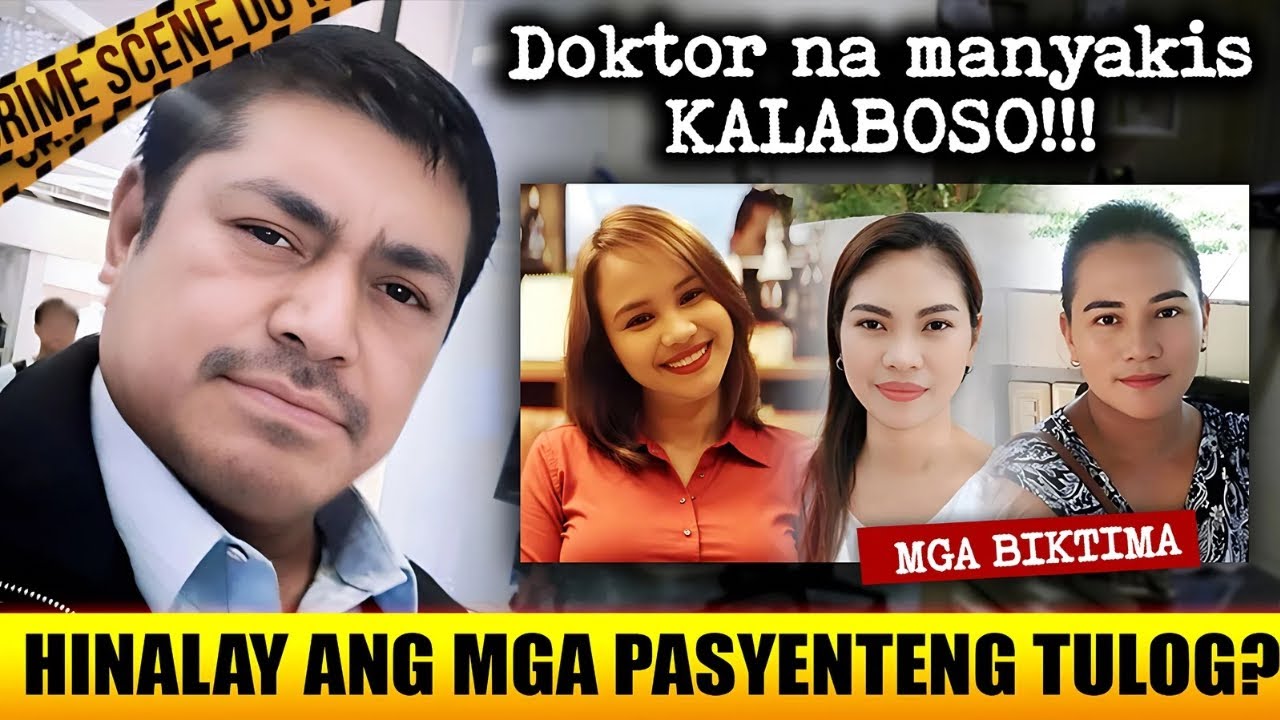
Months later, investigators would piece together a chilling pattern. Several female patients reported similar experiences: sedation that lasted longer than expected, gaps in memory, discomfort they couldn’t explain. Individually, their stories sounded uncertain. Together, they formed a terrifying picture.
The doctor—well-respected, soft-spoken, and rarely questioned—had used his position to exploit unconscious patients. According to the fictional case file, he administered sedatives not for treatment, but for control.
And worse, he recorded everything.
THE VIDEO THAT CHANGED EVERYTHING
The case might have remained buried if not for a broken phone.
A technician repairing a damaged device discovered hidden files—videos stored in encrypted folders. What he saw made him stop breathing. The footage showed a clinical room. A patient unconscious on a medical bed. And the doctor, fully aware, fully deliberate, committing acts that no human being should ever endure.
The technician reported it immediately.
Within hours, authorities secured a warrant.
THE RAID
When investigators entered the clinic, they expected resistance. What they found instead was silence.
Computers were seized. Hard drives examined. Cloud accounts accessed. The evidence was overwhelming. Multiple videos. Multiple victims. Clear timestamps. Clear faces.
The doctor did not deny the recordings existed. He claimed consent—an argument that collapsed instantly under forensic analysis and medical testimony. No sedated patient can legally give consent. No amount of status can erase that fact.
THE VICTIMS FIND THEIR VOICES
As news of the investigation spread, more victims came forward. Some cried. Some shook. Some could barely speak. But they spoke anyway.
One woman described waking up in tears after every appointment without knowing why. Another said she avoided hospitals entirely for years, haunted by fear she couldn’t name. Hearing that justice was finally moving gave them something they hadn’t felt in a long time: validation.
They were not crazy. They were not alone. And they were believed.
A COMMUNITY IN SHOCK

Quezon City residents reacted with disbelief and anger. How could someone sworn to heal become a predator? How many warning signs were missed? How many patients trusted blindly?
Medical associations released statements condemning the acts and emphasizing that the accused represented everything the profession stands against. Trust, once broken, is difficult to restore—but accountability, they said, is the first step.
THE TRIAL
The courtroom was tense.
Prosecutors laid out a timeline supported by digital evidence, expert testimony, and survivor statements. The defense attempted to question credibility, memory gaps, and intent—but the videos spoke louder than words.
When the verdict was read, silence filled the room.
Guilty.
On all counts.
JUSTICE, AT LAST
The sentence was severe, as it should be. Prison time. Loss of medical license. Permanent record. The man who once hid behind a lab coat would never practice medicine again.
Outside the courthouse, survivors held each other. Some cried. Some stood quietly, staring at the building as if releasing years of pain. Justice did not erase the trauma—but it acknowledged it.
And sometimes, that matters more than anything.
WHY THIS STORY MATTERS
This fictional narrative mirrors real-world fears and truths. Positions of power can be abused. Silence can protect monsters. And victims are often ignored until evidence forces the world to listen.
But it also shows something else: courage matters. Speaking up matters. And justice—though delayed—can still arrive.
If even one reader learns to question, to listen, or to protect someone vulnerable, then this story has done its job.
Because monsters don’t always look like monsters.
Sometimes, they wear white coats.
News

Coco Martin Finally Breaks His Silence: Ang Tunay na Dahilan sa Biglaang Pag-alis ni Christopher de Leon sa “Batang Quiapo” Ay Mas Malalim Kaysa Inaakala ng Lahat!
COCO MARTIN BINASAG ANG KATAHIMIKAN UKOL SA HULING DESISYON NG PAGTANGGAL KAY CHRISTOPHER DE LEON SA BATANG QUIAPO – MGA LIHIM NA…

🔥 Iniwan si Sara? Lihim na Pagkawatak ng DDS, Isang Pampulitikang Pagsabog sa Likod ng Eksena
Hala! Iniwan si Sara? DDS Nagbaliktaran sa Likod ng Eksena Sa loob ng maraming taon, si Sara ay itinuturing na isa sa…

Mon Tulfo, Kumalas sa Katahimikan: Ang Umano’y “Marcos Destab Plot” na Yumanig sa Pulitika—May Papel ba sina Sara at Pulong Duterte?
“PARA SA KUDETA: Paano BINUKO ni Mon Tulfo ang PLANONG Marcos Destab ni Sara Duterte at Pulong?” Sa loob ng…

HUMAGULGOL SI KARYLLE DAHIL SA INA: Ang Katotohanang Hindi Kailanman Tahasang Inamin ni Zsa Zsa Padilla
**HUMAGULGOL SI KARYLLE DAHIL SA INA: Ano ang HINDI INAAMIN ni ZSA ZSA PADILLA?** Sa likod ng makikinang na ngiti…

Ang Tahimik na Hakbang ni PBBM na Yumanig sa Isipan ng Bayan — Isang Katotohanang Hindi Ibinandera
Ang Tahimik na Ginawa ni PBBM na Nagpabago ng Pananaw ng Marami — Bakit Hindi Ito Naging Balita? Sa mundo…

Alden Richards Tumanggi sa Multi-Million Deal ng TAPE — Ang Tunay na Dahilan sa Likod ng Desisyong Yumanig sa Showbiz!
One of the biggest questions in showbiz right now is Alden Richards’ refusal of an offer from TAPE Inc., the…
End of content
No more pages to load