
Breaking Scandal: The ₱545 Billion Flood Control Scam Rocks the Philippines — A Deep Dive into the Corruption Unveiled
In a shocking revelation that has sent shockwaves through the political and public spheres, a massive corruption scandal involving flood control projects in the Philippines has come to light. The ongoing investigation into a staggering ₱545 billion allocated for flood control initiatives from 2022 to 2025 has exposed a web of deceit, fraud, and gross mismanagement. These revelations, which have already sparked outrage among citizens and politicians alike, have the potential to redefine the public’s perception of the Marcos administration and its commitment to transparency.
The Emergence of the Flood Control Scandal

What started as a routine review of government projects quickly spiraled into one of the most explosive political scandals in recent memory. The Department of Public Works and Highways (DPWH) had been allocated ₱545 billion for flood control measures aimed at protecting vulnerable communities across the country. However, preliminary audits and investigations have revealed that a significant portion of these funds—₱350 billion, to be exact—was distributed among 6,021 projects, many of which lacked proper documentation and failed to deliver the necessary infrastructure.
The initial findings have raised red flags, with the public becoming increasingly concerned about the lack of transparency and the failure of these projects to live up to their promises. But the real shock came when it was revealed that a handful of contractors had been awarded a disproportionate share of the funds—just 15 contractors were responsible for receiving nearly 20% of the total budget. Allegations of “ghost projects” and substandard work have intensified, fueling public anger and prompting President Ferdinand “Bongbong” Marcos Jr. to call for a comprehensive audit of all flood control initiatives.
The Alarming Findings: Ghost Projects and Shoddy Construction
According to Senator Rodante Marcoleta, chairman of the Senate Blue Ribbon Committee, at least 60 projects could be classified as “ghost projects,” where funds were allocated, but no work was ever completed, or the structures built were substandard. This includes critical flood control infrastructure—such as river walls, canal deepening, and pump stations—many of which failed to provide the protection they were meant to deliver.
In one particularly shocking example, the construction of embankments in Calumpit, Bulacan, was found to be of shockingly poor quality. Senator Marcoleta alleged that the materials used for the embankments included 80% soil, 15% cement, and just 5% steel—far from the standards required for effective flood protection. These findings pointed to possible kickbacks, with certain officials and contractors pocketing substantial sums at the expense of public safety.
A Web of Corruption: Kickbacks and Political Collusion
The flood control scandal is not just about poor construction and mismanaged funds—it’s also about a deeply entrenched system of corruption. Investigations have revealed that a network of politicians, bureaucrats, and contractors have been involved in a systematic scheme of kickbacks, ensuring that only a select few benefit from the billions allocated for flood control projects.
Senator Panfilo “Ping” Lacson has revealed that up to 25% of project funds could be siphoned off through a network of kickbacks. According to Lacson, 8-10% of the funds go to officials at the DPWH, 5-6% to the bid-awards committee, 0.5-1% to the project evaluators, and 20-25% to lawmakers who endorse the projects. This leaves less than 40% of the budget to actually complete the construction, often leading to projects that are incomplete, substandard, or completely nonexistent.
With political connections playing a central role in awarding contracts, it’s no surprise that many of these projects have failed to meet expectations. The scandal raises serious questions about the integrity of the DPWH and the broader political system, calling into question the commitment of officials to protect the public interest.
The Government’s Response: A Call for Accountability
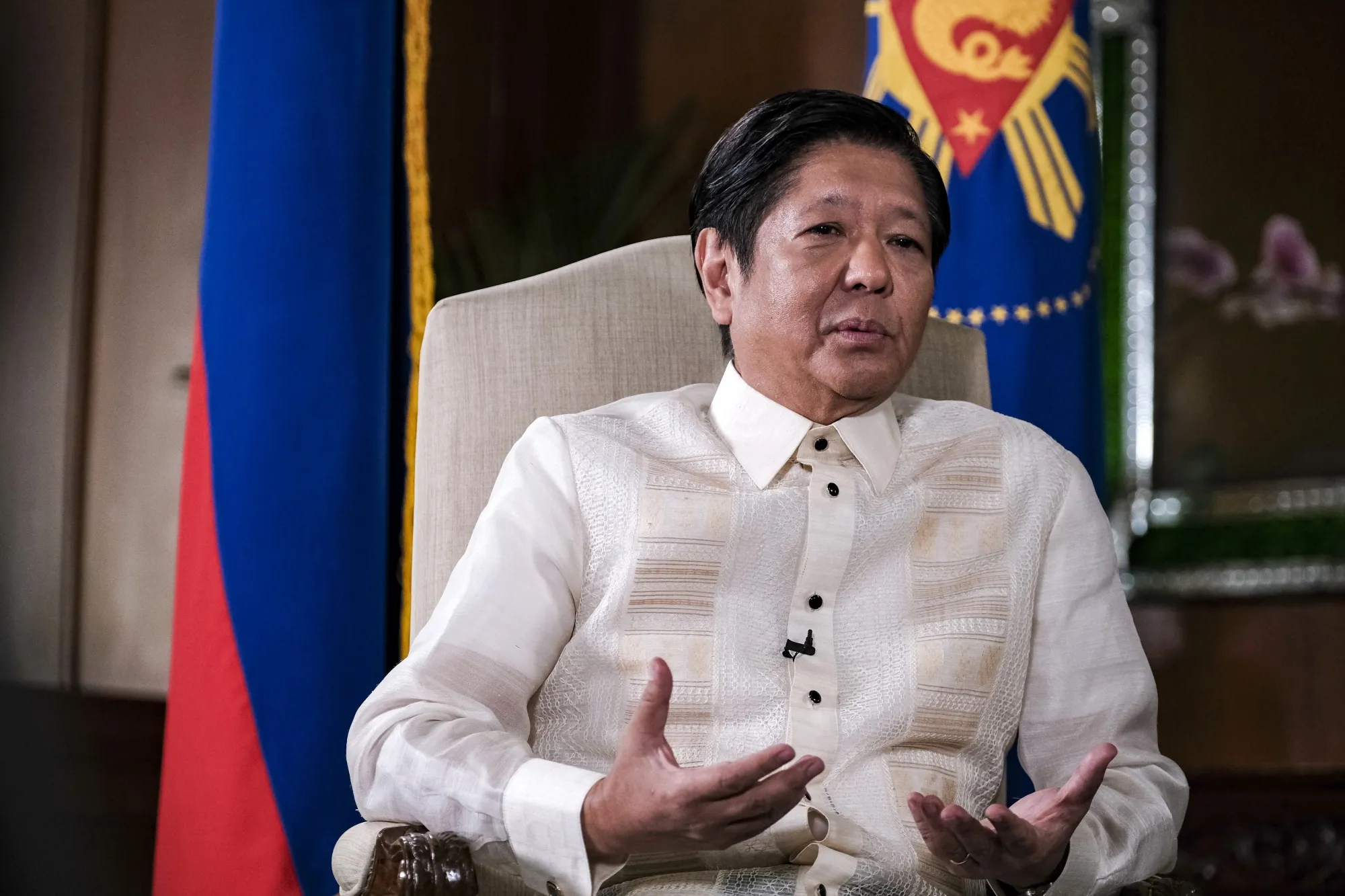
In response to the public outcry, President Marcos has taken decisive action to address the scandal. He has established the Independent Commission for Infrastructure (ICI) to investigate the allegations and oversee a thorough review of the flood control projects. The commission will focus on the 80 most controversial projects, with a particular emphasis on the 15-18 contractors that have been implicated in the scandal.
Additionally, Marcos has pledged to hold those responsible for the mismanagement accountable, vowing that anyone found guilty of corruption or negligence will face the full force of the law. The president has warned that if evidence of graft, plunder, or other forms of corruption is uncovered, legal action will be taken, and justice will be served.
The Public’s Growing Anger: Calls for Transparency and Action
The public’s reaction to the flood control scandal has been swift and unforgiving. Citizens, businesses, and civil society groups have all rallied around calls for a more independent investigation into the corruption that has plagued these projects. Many are demanding full transparency, and there is widespread concern that the funds meant to protect communities from floods have instead been funneled into the pockets of the corrupt few.
The failure of these projects is not just a financial blow—it is a betrayal of the Filipino people, many of whom live in flood-prone areas and rely on these infrastructure projects to protect their homes and livelihoods. The anger and frustration are palpable, as people are beginning to question how much of the government’s budget is being misappropriated for personal gain.
The Bigger Picture: Corruption and the Future of Governance in the Philippines
As the investigation unfolds, the implications of the flood control scandal reach far beyond just the failed infrastructure projects. This is a wake-up call for the Marcos administration, which is now facing one of the most significant corruption scandals in recent history. If proven true, the scandal could have a devastating impact on the credibility of the government and its ability to implement meaningful reforms.
The larger question remains: how deep does this corruption go? Is it limited to a few bad actors, or is it a systemic problem that has plagued the government for years? And perhaps most importantly, will this investigation lead to real accountability, or will it fizzle out as many previous scandals have done?
Looking Ahead: The Role of the Public in Demanding Accountability

The flood control scandal serves as a reminder that the fight against corruption is ongoing, and that the public must remain vigilant. It is not enough to simply demand justice; the public must actively engage with the process, hold their leaders accountable, and continue to push for transparency at all levels of government.
As the investigation continues and more details emerge, the question remains: will the Marcos administration prove that it is capable of tackling corruption, or will this scandal mark the beginning of the end for the current political establishment?
For now, the eyes of the nation are on the Senate, on the Commission for Infrastructure, and on President Marcos himself. The pressure is mounting, and the public’s patience is running thin. The outcome of this scandal could very well shape the future of governance in the Philippines—and determine whether real change is possible in a system that has long been plagued by corruption.
News

BUKING KANA LIZA! GAWA-GAWANG IMPEACHMENT BISTADO? NAGKA-BISTUHAN NA, BUKING ANG SCRIPT!
BUKING KANA LIZA! GAWA-GAWANG IMPEACHMENT BISTADO? NAGKA-BISTUHAN NA, BUKING ANG SCRIPT! Sa isang masalimuot na pagpupulong sa Senado, isang…

Senado Galit na Galit sa Modus ng DepEd Voucher Program: Pondo ng Bayan, Nasasayang!
Senado Galit na Galit sa Modus ng DepEd Voucher Program: Pondo ng Bayan, Nasasayang! Isang matinding isyu ang sumabog…

Immigration Officers Disrespected Manny Pacquiao — 9 Minutes Later, He Fired Them Instantly..
Magulo ang internasyonal na paliparan dahil sa karaniwan nitong kaguluhan, mga manlalakbay na may hila-hila na mga maleta, mga anunsyo…

Tumawag Ang Anak 📞: ‘Namana Ko ₱50m 💰, Umalis Ka Na Sa Bahay Ko’ — Pero Di Niya Alam Na… 😱
Tumawag ang anak ko at sinabing, “Kakakamana ko lang ng yaman ng yumaong biyanan ko milyongo. Ayusin mo na ang…

Manny Pacquiao Ki.ck.ed Out of Her Own Hotel — 9 Minutes Later, She Fired the Entire Staff…..
Napuno ng ginintuang liwanag ng mga chandelier ang lobby na may sahig na marmol ng isa sa mga pinakaprestihiyosong hotel…

Papunta Ako Sa Palengke, Naalala Kong Naiwan Ko Ang Pitaka At Kinailangang Umuwi, Pero…
Papunta na ako noon sa palengke para bumili ng mga rekado. Bitbit ko ang maliit kong bayong at naglakad papunta…
End of content
No more pages to load