
BREAKING NEWS: PBBM Pushes for Groundbreaking Laws Set to Redefine Philippine Politics!
The Silent Revolution: PBBM’s Game-Changing Political Reforms for 2026
As the political landscape of the Philippines continues to evolve, one man’s quiet but decisive action could change the future of the country’s governance forever. In an unexpected but bold move, President Ferdinand “Bongbong” Marcos Jr. has urged the Philippine Congress to prioritize the passage of four monumental bills that could reshape the political system as we know it. These laws—The Anti-Political Dynasty Bill, The Independent People’s Commission Act, The Party-List System Reform Act, and the Cadena Act—have the potential to overhaul decades of deeply ingrained political practices, transforming the way the government operates and how politicians and public servants are held accountable.
The President’s push for these four bills signals a major shift in direction and serves as a warning to the long-standing political dynasties and corrupt practices that have plagued the country for generations. The message is clear: the time for change is now, and these bills could mark the beginning of a new political era in the Philippines.
The Cadena Act: Bringing Transparency to Government Spending

At the heart of this reform package is the Cadena Act, a bill that aims to create absolute transparency in the government’s handling of public funds. Authored by Senator Bam Aquino and co-authored by Senator Kiko Pangilinan, the bill mandates that all government agencies must disclose their expenditures, projects, and transactions in a manner that is easily accessible to the public.
This bill promises to address the long-standing question that has plagued Filipino citizens: “Where does our tax money go?” With the Cadena Act, every peso spent on infrastructure projects, government initiatives, and disaster relief would be easily traceable by the public, allowing them to scrutinize the use of public funds in real time. This is the first step in restoring trust in the government by ensuring that the money collected from hardworking Filipinos is used responsibly and transparently.
The Party-List System Reform Act: Ensuring True Representation for the Marginalized
One of the most controversial systems in Philippine politics is the party-list system, originally designed to represent marginalized sectors. Over the years, however, it has been hijacked by powerful political groups, rendering the system ineffective in serving its true purpose. The Party-List System Reform Act, another key bill in the President’s reform package, aims to clean up this system by ensuring that only genuine representatives of marginalized sectors are elected under this category.
Under this proposed reform, party-list groups would be required to show tangible actions, contributions, and advocacy work that benefit their respective sectors. Gone will be the days when wealthy politicians or influential families use the party-list system as a political advantage. This bill intends to put an end to the exploitation of the party-list system, making sure that the voices of the real marginalized communities are heard in Congress.
The Independent People’s Commission Act: Empowering the Fight Against Corruption
Another significant bill under PBBM’s proposed reforms is the Independent People’s Commission Act, which aims to create a more robust and independent body dedicated to investigating corruption and misconduct within the government. This commission will not only investigate anomalies but will also have the power to hold accountable those in positions of authority who misuse public funds.
This bill is seen as a game-changer for the Philippines, where corruption has become so deeply rooted in the system that many believe it is too powerful to challenge. With the Independent People’s Commission Act, the Filipino people are given a new ally in the fight against corruption, making it clear that no one—no matter how high their position—will be above the law.
The Anti-Political Dynasty Bill: The Most Powerful Challenge to Traditional Politics
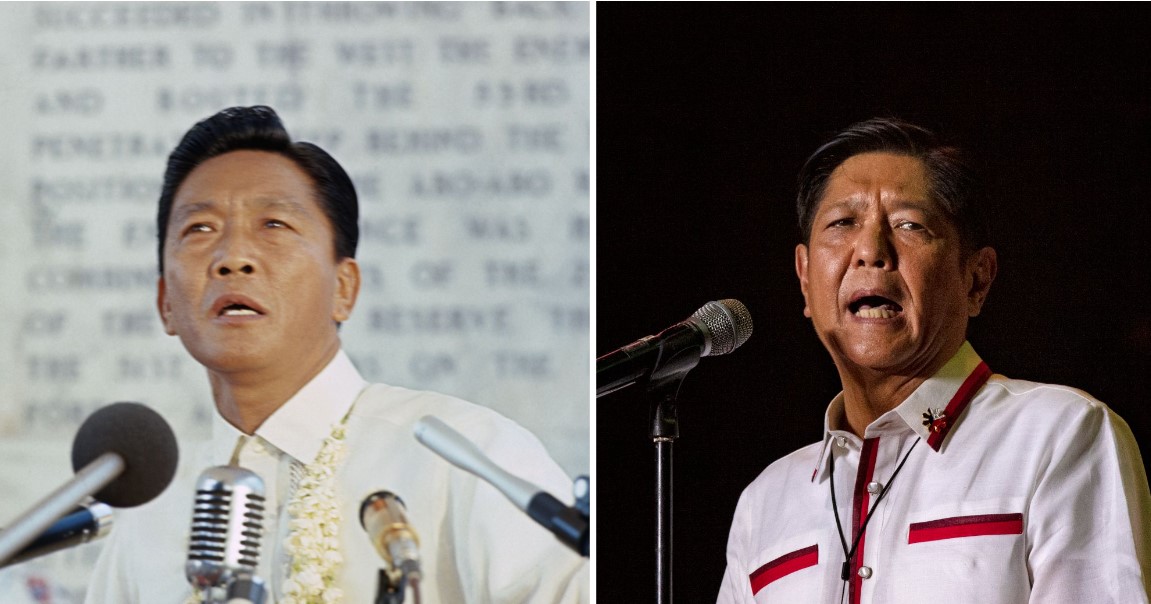
Without a doubt, the Anti-Political Dynasty Bill is the most hotly debated and highly anticipated of all the proposed laws. This bill seeks to limit the dominance of political dynasties, which have for years controlled entire provinces and cities, passing political power from one family member to the next. This bill is a direct challenge to the entrenched political dynasties that have stifled true democratic representation in the Philippines.
For decades, the political landscape has been dominated by a select few families. From local government units to the highest levels of national government, entire regions are ruled by a single family, making it difficult for new leaders to emerge. The Anti-Political Dynasty Bill seeks to end this practice, limiting the ability of families to hold multiple political positions at the same time. If passed, this bill could radically shift the balance of power, allowing for fresh faces and new leadership to emerge from across the country.
The bill targets not just the well-known political families but also aims to address the systemic problems created by dynasties at all levels of government. Whether it’s the Marcoses, the Dutertes, or any other family that has held power for decades, this bill aims to level the playing field and give ordinary Filipinos a chance to lead.
A Country Hungry for Change
With these four bills, President Marcos is setting the stage for a political revolution—one that challenges the very foundation of traditional politics in the Philippines. But it is not without its challenges. These bills are expected to face fierce opposition from powerful political dynasties, who have enjoyed decades of dominance. The question remains: will these reforms pass, or will they become another forgotten promise in Philippine history?
As the nation waits for Congress to act, there is a palpable sense of hope and anticipation. The Philippines has long been plagued by corruption, political dynasties, and a lack of true representation for its people. If these bills succeed, it could be the beginning of a new era in Philippine politics—one where power is no longer concentrated in the hands of a few families, but instead is distributed to the people.
The Road Ahead: Will PBBM’s Vision Succeed?
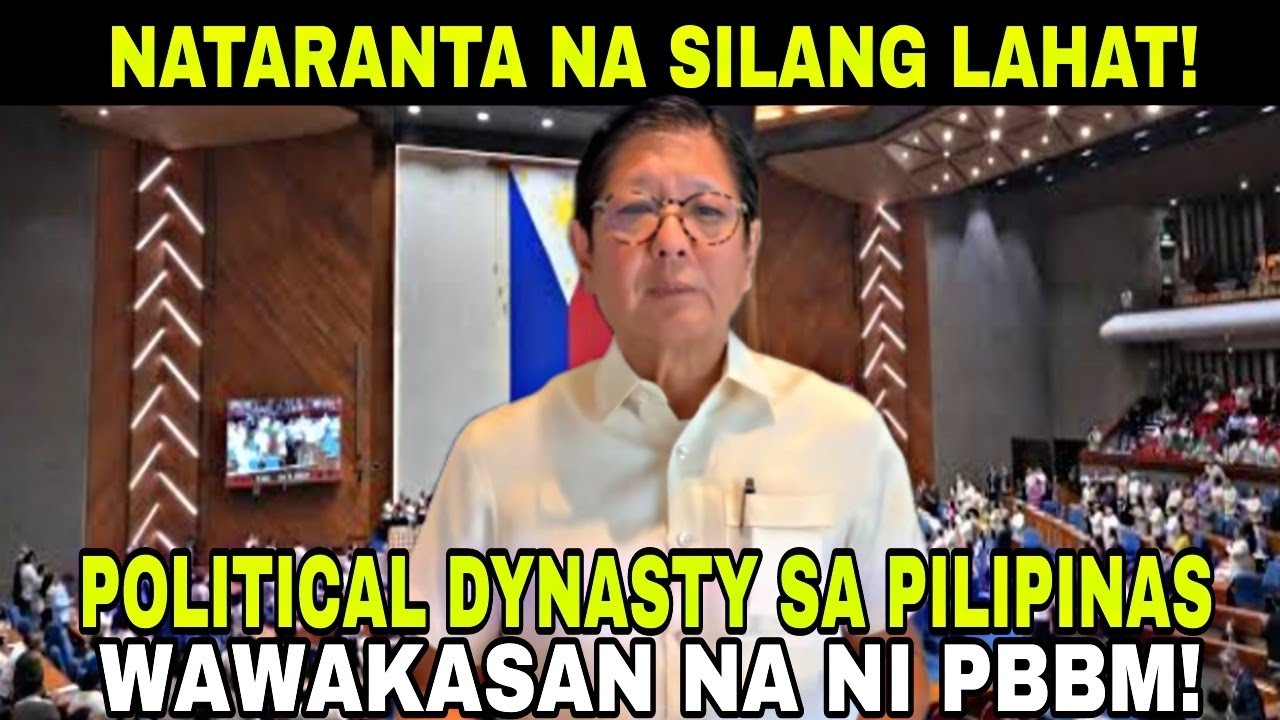
As PBBM continues to push for these reforms, the question remains whether they will be able to overcome the political obstacles in their way. With a divided Congress and entrenched political forces working against these changes, the road ahead will not be easy. But the stakes are higher than ever before.
For the Filipino people, these reforms represent a once-in-a-generation opportunity to reshape their political system. Whether or not they succeed will depend on the resolve of the current leadership, the willingness of the people to push for change, and the ability to overcome the deep-rooted interests that have long controlled the country’s political landscape.
The future of Philippine politics is at a crossroads, and these four bills could very well be the key to unlocking a brighter, more transparent future for the nation. If passed, they would not only change the way politics is conducted but also restore the trust of the people in their government.
News

BUKING KANA LIZA! GAWA-GAWANG IMPEACHMENT BISTADO? NAGKA-BISTUHAN NA, BUKING ANG SCRIPT!
BUKING KANA LIZA! GAWA-GAWANG IMPEACHMENT BISTADO? NAGKA-BISTUHAN NA, BUKING ANG SCRIPT! Sa isang masalimuot na pagpupulong sa Senado, isang…

Senado Galit na Galit sa Modus ng DepEd Voucher Program: Pondo ng Bayan, Nasasayang!
Senado Galit na Galit sa Modus ng DepEd Voucher Program: Pondo ng Bayan, Nasasayang! Isang matinding isyu ang sumabog…

Immigration Officers Disrespected Manny Pacquiao — 9 Minutes Later, He Fired Them Instantly..
Magulo ang internasyonal na paliparan dahil sa karaniwan nitong kaguluhan, mga manlalakbay na may hila-hila na mga maleta, mga anunsyo…

Tumawag Ang Anak 📞: ‘Namana Ko ₱50m 💰, Umalis Ka Na Sa Bahay Ko’ — Pero Di Niya Alam Na… 😱
Tumawag ang anak ko at sinabing, “Kakakamana ko lang ng yaman ng yumaong biyanan ko milyongo. Ayusin mo na ang…

Manny Pacquiao Ki.ck.ed Out of Her Own Hotel — 9 Minutes Later, She Fired the Entire Staff…..
Napuno ng ginintuang liwanag ng mga chandelier ang lobby na may sahig na marmol ng isa sa mga pinakaprestihiyosong hotel…

Papunta Ako Sa Palengke, Naalala Kong Naiwan Ko Ang Pitaka At Kinailangang Umuwi, Pero…
Papunta na ako noon sa palengke para bumili ng mga rekado. Bitbit ko ang maliit kong bayong at naglakad papunta…
End of content
No more pages to load