
In a stunning turn of events, the question has emerged: Can former Philippine President Rodrigo Duterte run for Mayor of Davao while imprisoned at the ICC? As his legal battles continue, particularly his involvement in the International Criminal Court (ICC) investigation over alleged human rights abuses during his infamous “War on Drugs,” speculations have begun to swirl about his political future and his ability to hold office in the city of Davao — his home and political stronghold.
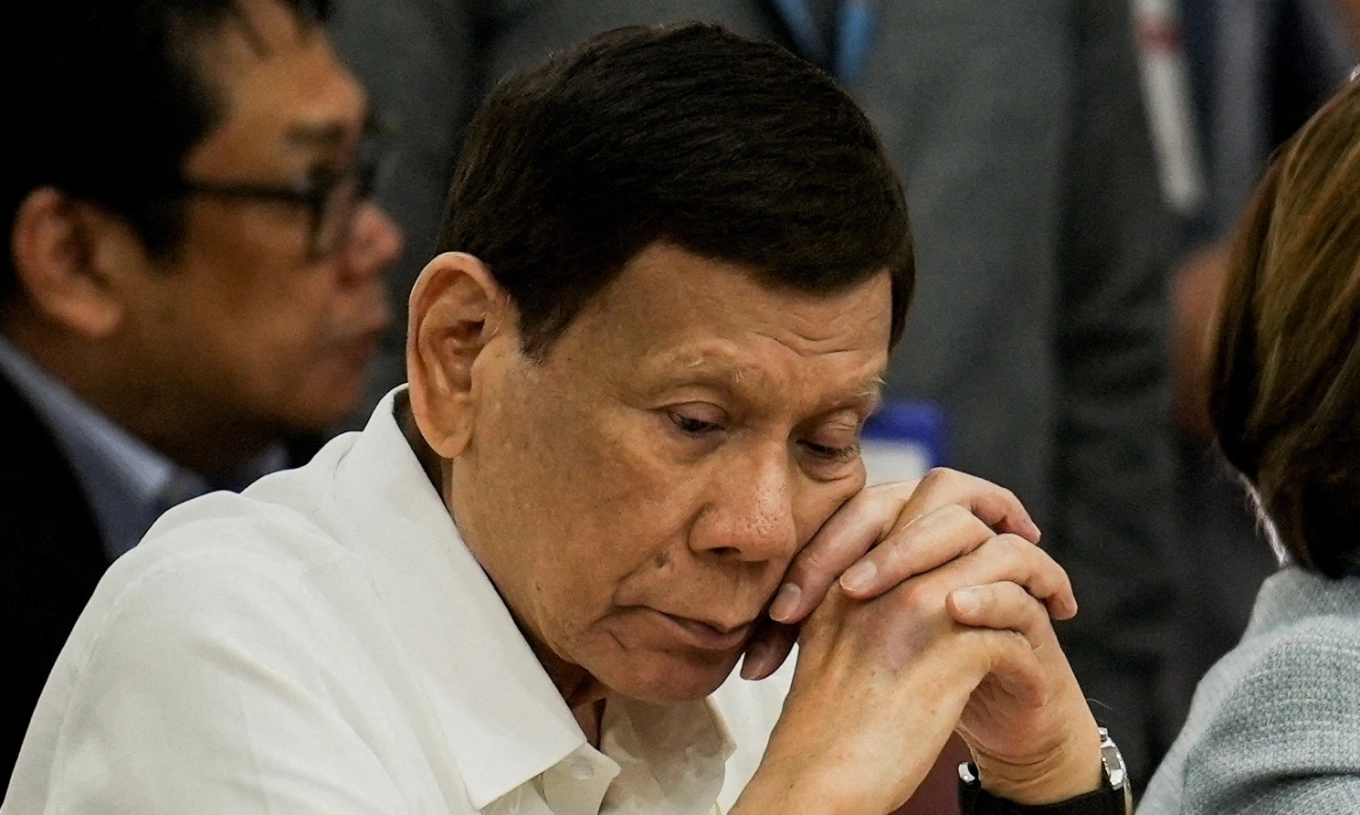
Duterte’s Legal Situation: The ICC’s Impact on His Political Career
Rodrigo Duterte, known for his controversial policies and strongman style of leadership, has faced continuous pressure from international bodies due to his brutal crackdown on drugs. The ICC, which has been investigating him for crimes against humanity, could lead to significant consequences that would alter the course of his career. Despite these looming threats, Duterte has maintained a strong influence on his political allies, especially in Davao, where his political legacy remains intact.
Could Duterte, even if convicted and detained, maintain his influence enough to run for mayor of Davao City? Legal experts and political analysts are divided on this issue, with some arguing that his enduring popularity in Davao could allow him to maintain control, while others point out the complexities of managing a political career from a prison cell.
The Legal Loopholes: Can He Legally Run?
The question of whether Duterte could legally run for mayor while incarcerated under ICC detention hinges on Philippine laws, which don’t entirely rule out the possibility of public officials running from prison. According to some legal analysts, as long as he’s not legally barred from running due to a criminal conviction in the Philippines, Duterte could technically still seek office. His supporters argue that his health and ability to serve from behind bars wouldn’t matter, as long as his political machine in Davao remains powerful.
However, this scenario raises more questions than answers. How would Duterte be able to actively participate in the election process if imprisoned? Would he even have access to the resources necessary to campaign effectively, or would his supporters be forced to mount a virtual campaign, relying heavily on his image and legacy?
Davao’s Political Climate: A Stronghold for Duterte
Davao, where Duterte served as mayor for over two decades, has long been seen as his political base. His family’s stronghold in the region and the city’s loyalty to him are unquestioned. Many in Davao still view Duterte as a hero for his strong governance and anti-crime efforts. This enduring affection for him presents a unique situation where his influence could transcend physical limitations like imprisonment.
His daughter, Sara Duterte-Carpio, who is currently the vice president of the Philippines, continues to carry the Duterte torch in the political sphere, further bolstering the family’s strong presence in Davao politics. With the right campaign strategy, supporters argue that Duterte could still influence elections even if physically detained.
The Role of His Family and Political Allies
If Duterte were to run from prison, it is likely that his family and political allies would play a crucial role in his campaign. Sara Duterte, in particular, has demonstrated a remarkable ability to mobilize political support both in Davao and across the nation. As a former mayor herself, she remains a key figure in the Duterte political dynasty and could act as a proxy for her father in the event of his imprisonment.
Furthermore, Duterte’s political allies within the Davao City government could ensure that his policies and programs remain in place, even while he’s behind bars. It’s clear that the Duterte name has a solid foundation in Davao, with several loyalists occupying important positions in the city.
Public Reaction: The Controversy and Potential Backlash
While Duterte’s supporters would likely rally behind the idea of him running for mayor from the ICC, the move would undoubtedly stir controversy on both national and international levels. Critics argue that a convicted leader should not be allowed to hold office, as it would undermine the rule of law and the integrity of the political process.
“This would be a slap in the face to those who suffered under his regime. How can someone who is facing charges of crimes against humanity be allowed to continue serving in public office?” said one critic. The prospect of Duterte continuing his political career from prison would raise uncomfortable questions about the Philippines’ democracy and accountability.
The Bigger Picture: What Does This Mean for Philippine Politics?
The potential for Rodrigo Duterte to run for mayor from an ICC prison is not just about one man’s political future; it’s about the larger questions of accountability, justice, and democracy in the Philippines. His case has sparked debates about the power of political dynasties, the independence of the justice system, and the relationship between national and international law.
The idea of Duterte continuing to influence political events from prison underscores the strength of political dynasties in the Philippines and the power of charismatic leaders. It also highlights the challenges faced by those who seek to bring about change in a system where the entrenched political elite continues to hold significant sway, even in the face of legal challenges.
Conclusion: A Dangerous Precedent?
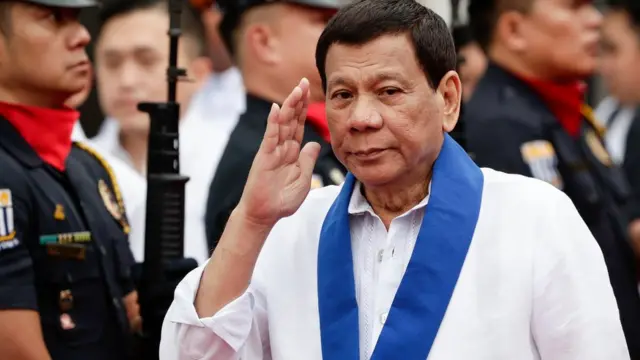
The possibility of Rodrigo Duterte running for mayor while imprisoned is not just a political issue; it’s a symbol of the deeply rooted power structures in the Philippines. If this scenario unfolds, it could set a dangerous precedent for the country’s future, where political influence can persist despite serious legal and ethical concerns.
The next steps in Duterte’s legal battle and the public’s reaction will shape not just his future, but the future of Philippine democracy. The question remains: will the country allow a leader to return to power from behind bars, or will justice prevail over political power? Only time will tell.
News

😱 PASABOG: KYLIE PADILLA AT GERALD ANDERSON, MAY “SECRET LOVE NEST” NA?! MANSYONG IPINATATAYO, EBIDENSYA NG PAGSASAMA?!
Hindi na lang basta usap-usapan, kundi isang malaking bombang sumabog ngayon sa mundo ng showbiz! Habang abala ang lahat sa…

SAUDI PUMALAG SA U.S.? IRAN INIWAN SA ERAP NG RUSSIA AT CHINA?! ALAMIN ANG KATOTOHANAN!
Nagulantang ang mundo sa mga huling kaganapan. Habang tumitindi ang presyur ng administrasyong Trump sa Iran, nagkaroon ng mga “plot…
TRILLANES, NAGHAYIN NG PANIBAGONG KASO! VP SARA, READY SA IMPEACHMENT SA PEBRERO 6? ALAMIN ANG MGA BABALA!
Hindi pa man humuhupa ang ingay ng bagong taon, binulaga na ni Antonio Trillanes IV ang publiko nang magtungo siya…

GAANO KAYAMAN SI LEANDRO LEVISTE? ANG TUNAY NA ESTADO NG YAMAN NG “BATANG GENIUS” NGAYONG 2026!
Tinaguriang “youngest self-made billionaire” sa Pilipinas, ang kanyang net worth ay naging usap-usapan lalo na matapos ang kanyang mga bilyon-bilyong…

PASABOG NA EBIDENSYA? ANG KATOTOHANAN SA VIRAL POST NI BARBIE IMPERIAL AT ANG “LA TRIP” NG FIRST LADY!
Heto ang pinaka-mainit na paglilinaw tungkol sa mga nag-viral na post ni Barbie Imperial at ang mga espekulasyon tungkol kay…

BREAKING: MARIAN RIVERA, TRENDING SA PAG-HATAW NG “CHANEL DANCE” SA SINULOG 2026! DONGYAN, PINAG-ULAN NG PAGMAMAHAL SA CEBU!
Heto ang pinaka-updated at mainit na kaganapan tungkol sa pagbisita ng DongYan sa Cebu! Talagang pinatunayan ni Marian Rivera na…
End of content
No more pages to load